Panel Discussion, on Thursday, 27 March
Bridge monitoring – long established standard or not yet easy to implement
Bridge monitoring plays a crucial role in the safety and longevity of our infrastructure. However, while monitoring with guided waves and acoustic emission testing is becoming increasingly efficient, comprehensive implementation is often more complex than expected. Have such monitoring systems long since become standard or do they fail due to high costs and integration into existing structures? The discussion sheds light on the current state of bridge monitoring – between vision and reality.
A report on the current status of the Carola Bridge in Dresden will introduce the topic and provide information on the challenges in dealing with the existing structure of the building.
The Panel discussion will be held in English.
Moderated by Dr. Markus Sause, University of Augsburg and Dr. Lars Schubert, Fraunhofer IKTS, Dresden
The discussing experts:
|
|
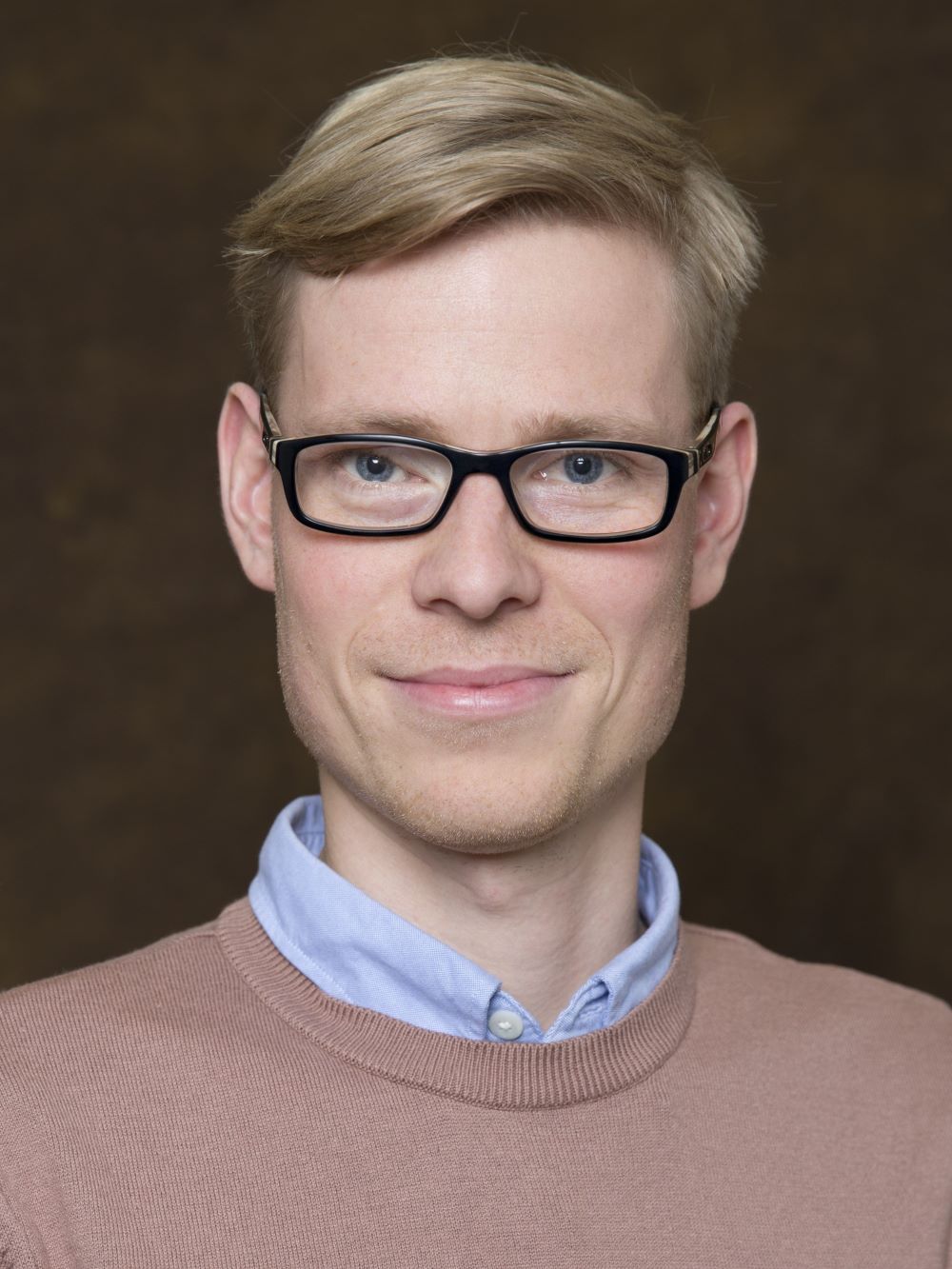
Max Fiedler (né Käding),
MKP GmbH, Weimar, Germany
Max Fiedler studied structural engineering at TU Dresden until 2014, since when he has worked at Marx Krontal Partner engineering office, initially in Hanover and since 2018 in Leipzig. In the meantime employed as a research assistant at the Leibniz University of Hanover. His activities focus on structural monitoring and the assessment of civil engineering structures, in particular bridges at risk of stress corrosion cracking.
|
|

|
Dr. Steffen Müller
Landesamt für Straßenbau und Verkehr, Dresden, Germany
Dr. Steffen Müller's current work focuses on the standardisation of structural testing and assessment for civil engineering structures within the state of Saxony and
the supervision of object-related damage analyses and special inspections. He is part of the coordination and support team for bridges at risk of stress corrosion cracking and is also responsible for large and heavy load transport authorisations for engineering structures.
After studying structural engineering at Technical University Dresden, he worked as a research assistant and completed his doctorate at the Institute for Construction Materials at TU Dresden.
Since 2023, he has been a consultant for structural testing and management at the State Office for Road Construction and Transport Saxony (LASuV).
|
|

|
Stephan Pirskawetz
BAM, Berlin, Germany
Until 2003 Stephan Pirskawetz studied at the TU Berlin (Energy and Process Engineering). Since 2003 he is research assistant at BAM, Building Safety Department, Building Materials Division:
- Destructive and non-destructive testing of building materials, in particular acoustic emission
He is a member of the DGZfP Acoustic Emission Testing Technical Committee since 2012.
|
|

|
Dr. Thomas Thenikl
Vallen Systeme GmbH, Wolfratshausen
Dr. Thomas Thenikl is an employee of Vallen Systeme and is involved in the realisation of monitoring projects in Austria and abroad. He completed his doctorate at the Vienna University of Technology and joined Vallen Systeme in 2008. In 2017, he helped to implement the first bridge monitoring project in Germany that used acoustic emission technology. Since then, several other monitoring projects have followed. He is fascinated by the wide range of applications for acoustic emission technology.
|
